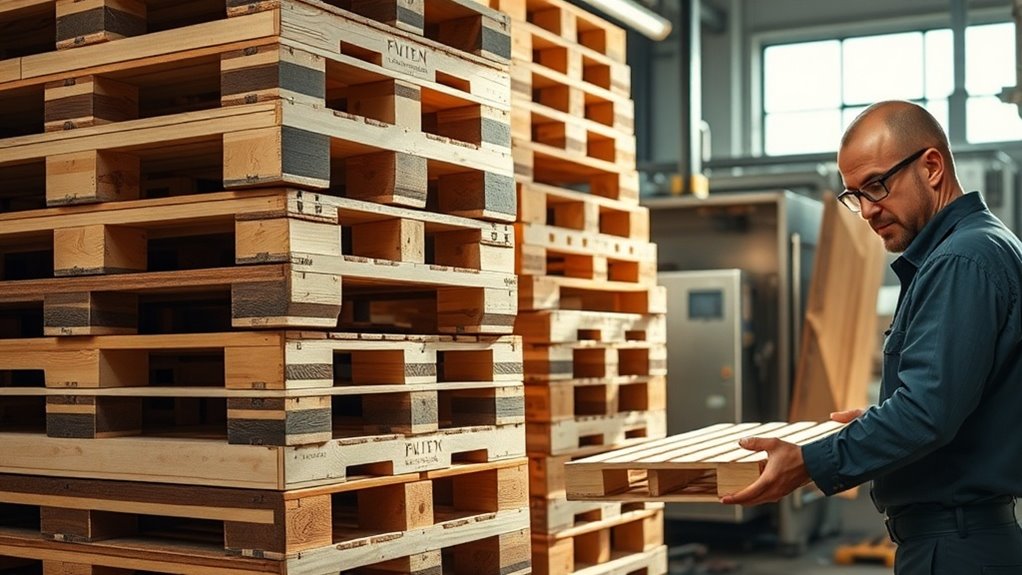
A sound approach to custom wooden pallets begins before a quote is requested. The best design is not always the heaviest one. It is the design that gives support where the load and route need it. Indian supply chains often connect factories, warehouses, road transport, ports, and customer sites. The plan should connect the product, the handling route, the warehouse, and the buying process.
Buyers should set measurable needs for size, build, condition, treatment, and timing. This makes supplier comparison fairer. The team should use the heaviest normal case, not the easiest example. It should also note any special load that needs a separate design. This cuts late changes and makes quotes easier to compare.
Teams reviewing woode pallets manufacture options should compare the full specification, not only the first unit price. This review should cover the drawing, sample, tolerances, inspection method, and response to defects. A good pallet is not simply strong. It is fit for the product and the process. That practical view helps purchasing, quality, warehouse, and transport teams follow one plan.
Brief Overview
- Use clear checks for custom design instead of relying on a broad product label. Include product fit in the drawing, quote, order, and incoming review. Review pallet dimensions with purchasing, warehouse, quality, and transport teams. Treat load capacity as part of total performance, not only the first price. Define handling conditions early so the chosen pallet matches the real product and route.
How to Plan Custom Design and Product Fit
Custom design is a key part of the pallet plan. A custom pallet can match unusual products, load points, machines, containers, or return routes. Share the rule with the user team. Start with the product and process limits, then remove material that adds no useful support. Custom does not mean complex; extra parts can add cost without solving the real problem. This helps the user team. The choice is easy to check. Later reviews take less time.
Product fit can change how the pallet performs. The product base should sit on enough deck area without harmful overhang, deep gaps, or uneven pressure. Test the choice where needed. Share carton, drum, bag, crate, or machine footprints along with the planned stacking method. Poor fit can crush packs, shift the centre of gravity, or focus stress on a few boards. This keeps work clear. Buyers gain more control. The same rule can be used again.
Managing Pallet Dimensions and Load Capacity in Daily Work
Good results depend in part on pallet dimensions. Length, width, and height affect racks, containers, trucks, conveyors, floor space, and product overhang. Keep the check simple. Measure the product base and every handling point before you confirm a standard or custom size. A small size error can waste space, block equipment, or leave cartons without full support. This keeps work clear. Buyers gain more control. The same rule can be used again.
Load capacity is a key part of the pallet plan. A pallet must support the real unit load during lifting, travel, stacking, and short periods of impact. Share the rule with the user team. Record the normal weight, the heaviest expected weight, the stack pattern, and the EPAL Manufacturer Hyderabad points where the product rests. A vague load figure can lead to bending, broken boards, unstable stacks, or needless extra material. This cuts doubt. The team can check the result. Repeat orders become easier.
Reviewing Handling Conditions and Boards and Fasteners Before Approval
Set a clear rule for handling conditions. Forklifts, pallet trucks, conveyors, racks, rough floors, and road travel place different forces on a pallet. Review it when the route changes. Describe the full route from packing line to final unload, not only the first lift. Ignoring one handling stage can create damage at the least convenient point in the journey. This cuts doubt. The team can check the result. Repeat orders become easier.
Good results depend in part on boards and fasteners. Board layout, block or stringer quality, and nail placement work together to hold a pallet square and stable. Keep the check simple. Ask for a drawing or sample that shows deck spacing, board thickness, fastener type, and key joints. Information about wooden pallets manufacture in India is most useful when it is checked against the real product, route, and handling method. Loose joints and poor nail patterns may reduce life even when the timber looks sound. This gives the buyer control. It keeps the process simple. The rule can guide repeat work.
Practical Steps for Total Cost and Documentation
A sound pallet plan covers total cost. The purchase price is only one part of cost because freight, storage, damage, labour, reuse, and disposal also matter. Use one clear source of truth. Compare cost per safe trip or per shipped unit when the data is available. The cheapest pallet can become expensive if it slows work or causes frequent loss. This gives the buyer control. It keeps the process simple. The rule can guide repeat work.
Set a clear rule for documentation. Drawings, purchase orders, treatment records, inspection notes, and delivery details form the history of a pallet order. Review it when the route changes. Use one approved specification and control revisions so purchasing, production, and receiving read the same information. Old drawings and verbal changes can create disputes even when both sides acted in good faith. This makes the choice clear. The team can act with care. Future checks are easier.
Frequently Asked Questions
When should a team confirm product fit?
Confirm it before production or dispatch. Check it again when the product, route, volume, or equipment changes. A close fit helps the unit load stay stable from packing to delivery.
What record helps track handling conditions?
Use an approved drawing, order note, sample result, or check record. Describe the full route from packing line to final unload, not only the first lift. Keep each change clear and dated.
What is a common mistake with documentation?
A common mistake is using a broad guess or an old rule. Old drawings and verbal changes can create disputes even when both sides acted in good faith. Use one approved specification and control revisions so purchasing, production, and receiving read the same information.
Why does pallet dimensions matter for custom wooden pallets?
Length, width, and height affect racks, containers, trucks, conveyors, floor space, and product overhang. A small size error can waste space, block equipment, or leave cartons without full support. A clear rule helps the team make a sound choice.
Can boards and fasteners affect total pallet cost?
Yes. Loose joints and poor nail patterns may reduce life even when the timber looks sound. Good construction supports steady handling and repeat performance. Review both the first price and the effect on daily work.
Summarizing
Custom wooden pallets works best when the pallet is treated as part of the full unit load. Define the product, weight, footprint, route, handling method, storage plan, and expected life. Then compare suppliers against one written requirement. This approach makes price, quality, and timing easier to judge.
Start with the points that create the highest risk, then test the choice in real work. Keep useful records and review damage or delay with facts. For teams in India, a steady process can support safer handling, clearer buying, and more reliable pallet supply.